卐𓆝 𓆟 𓆞r̾eⷲsͣe̾aͭrͥcⷦhͣ
From the Collections of Nickle Galleries, University of Calgary. Photo: Brittany DeMone. Gold 1/24 stater, 7th century BCE, Europe, Greek #coin
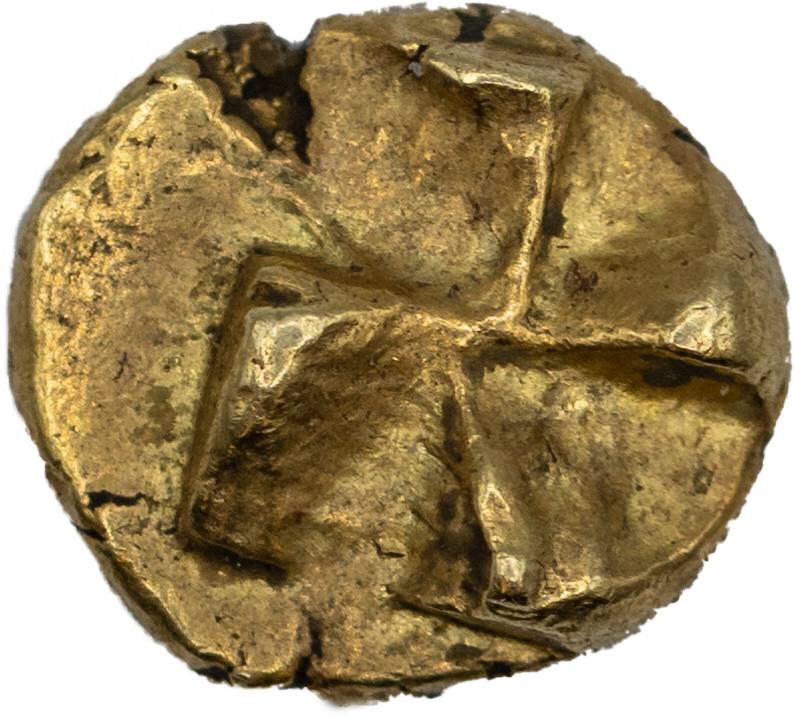
From the Collections of Nickle Galleries, University of Calgary. Photo: Brittany DeMone. Gold 1/24 stater, 7th century BCE, Europe, Greek #coin
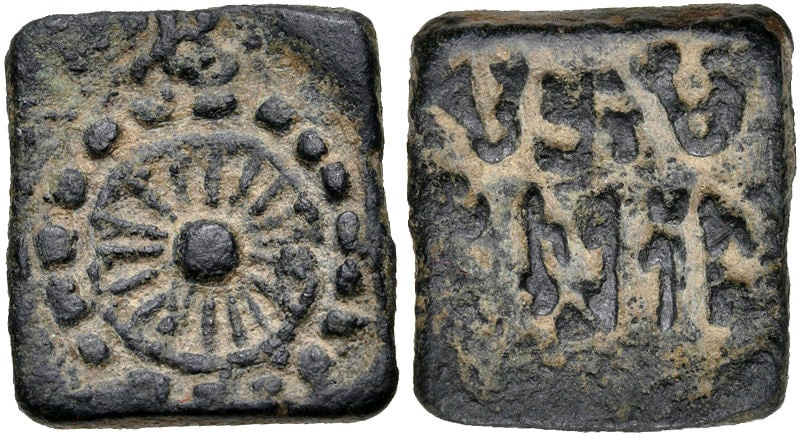
Square Coin of Taxila, 185-168 BCE, Showing Dharmachakra (Wheel of Law) on one side while Swastika and other symbols on other side. India. Taxila was one of the most popular cities of the Ancient period and with the evolution of the coinage, the local rulers of Taxila started issuing coins. The given square copper coin is one of the inscribed coins of Taxila. It is inscribed die-struck coinage of
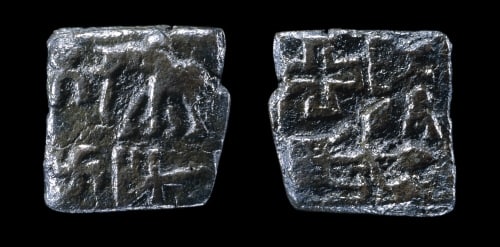
Cast bronze #coin Mauryan Empire, 3rd century BC India
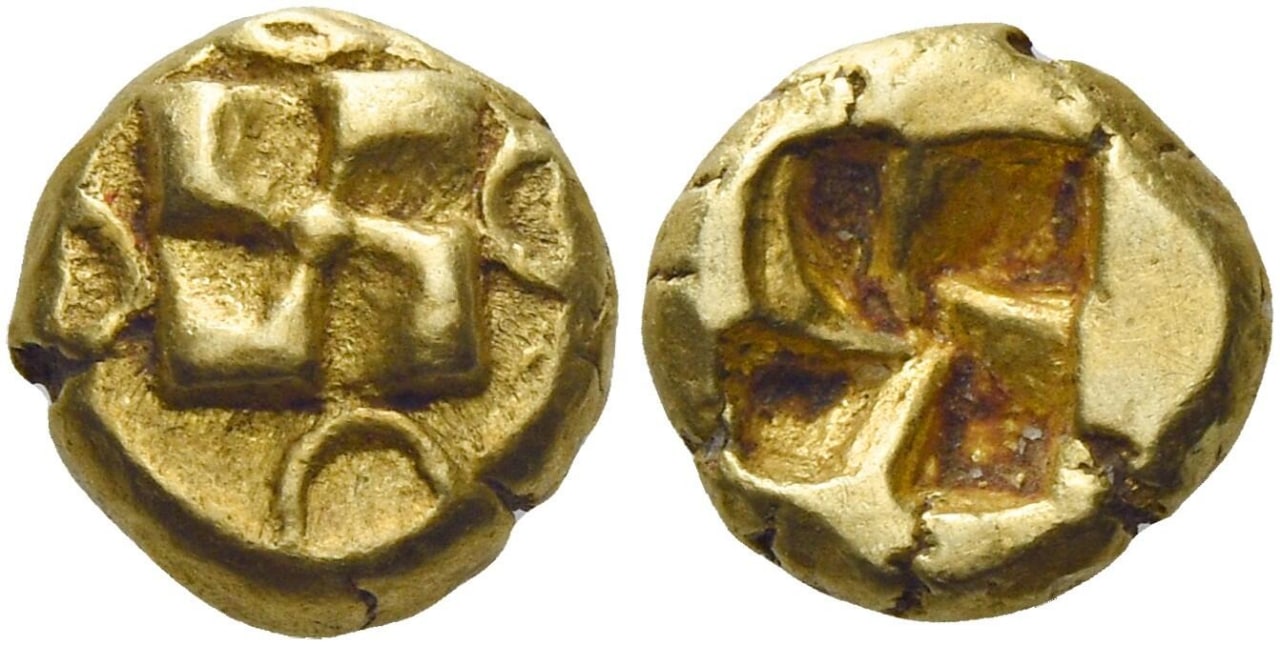
Greek Twelth stater #coin, Phocaic standard 6th century BC
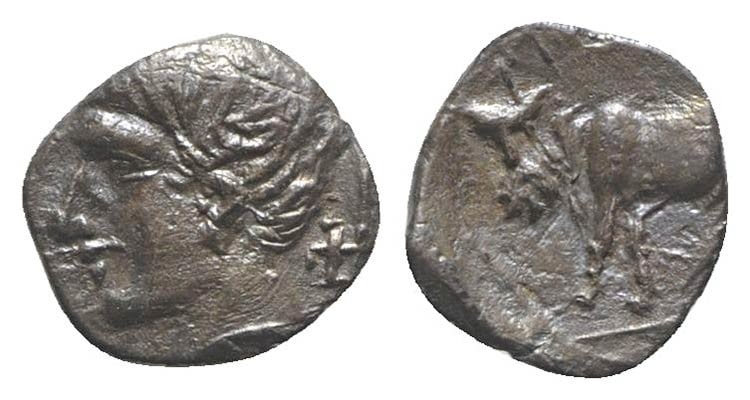
Sicily, Panormos as Ziz, c. 405-380 BC. AR Litra #coin. Male head l.; swastika behind. R/ Man-headed bull standing
13th Century - Symbol of Crusaders Lead #coin struck in Crusader Acre Ephraim Deinarad [1930-1836] wrote in his diary that when he visited in Israel in 1914, Turkish authorities detained him for questioning. The Prosecutor presented his letter with a Star of David and accused him of Zionism. Ephraim told him that the Zionists in Basel did set it as their symbol but he himself wrote a protest to He
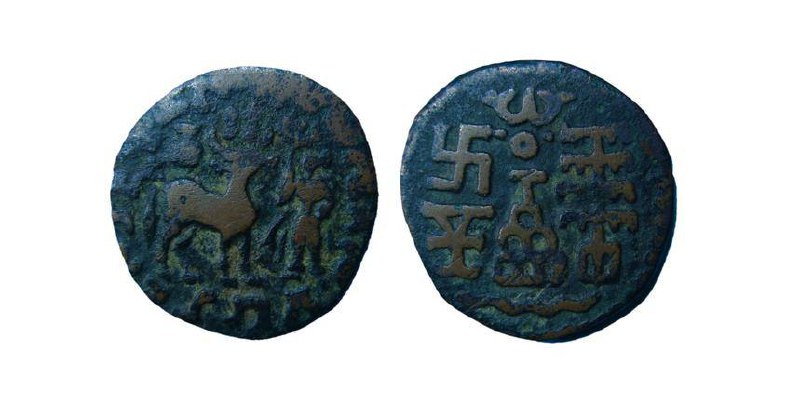
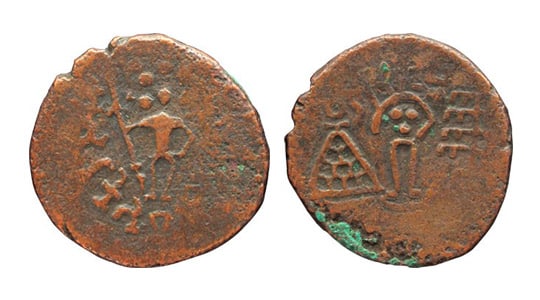
Yaudheyas (200 BC), Copper, 10.42 g, 1½ Karshapana, War God, Six-headed Karttikeya standing facing front with spear, Brahmi legend, Bhagvato Svamino Brahamanyadevasya on obv, Goddess Devasena standing facing, railed tree on right hand and 10-arched hill surmounted by a Shrivatsa symbol on left. A very interesting #coin because it features the #tetractys #India #Mythology
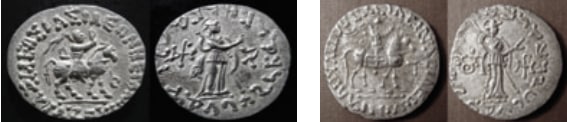
Indo #Scythian #coin (200 BCE–400 CE) Buddhist statues in Afghanistan in the 2nd or 3rd century B.C. provide a definite proof that the region was inhabited at that time by Hindus and Buddhists. HariRud (Arius) River in the northwest corner of the country and the words Arius and Ariana reflect Aryan presence in Afghanistan. Scythian conquered the Indo-Greek Kingdom. The Indo-Scythians are a subset
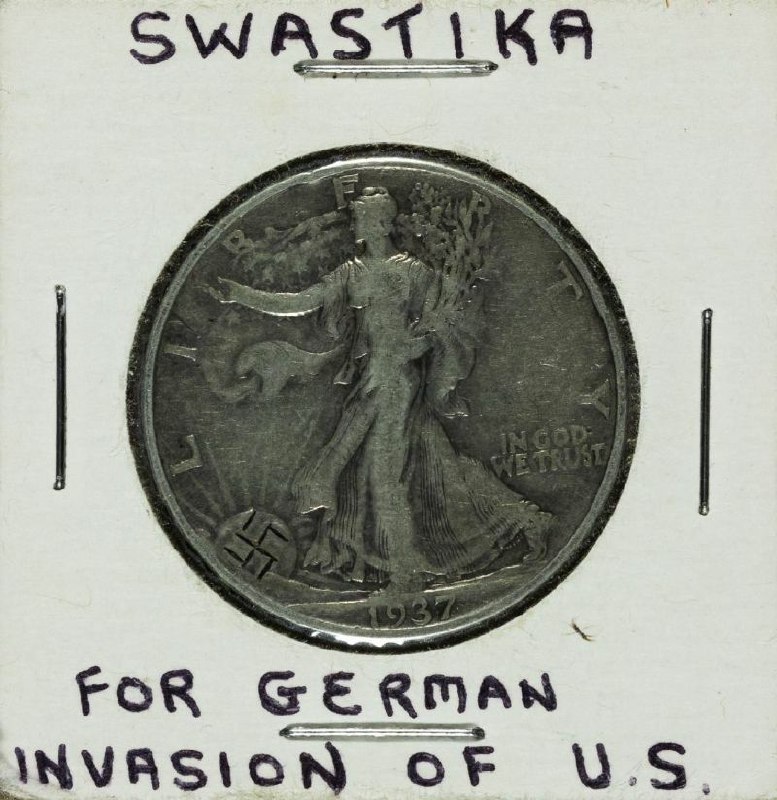
Circulated 1937 "Standing Liberty" half dollar silver #coin. The rising sun, to the lower-left of Liberty, has been defaced by the addition of a sharply-chiseled mobile swastika, undoubtedly undertaken with propaganda intent.
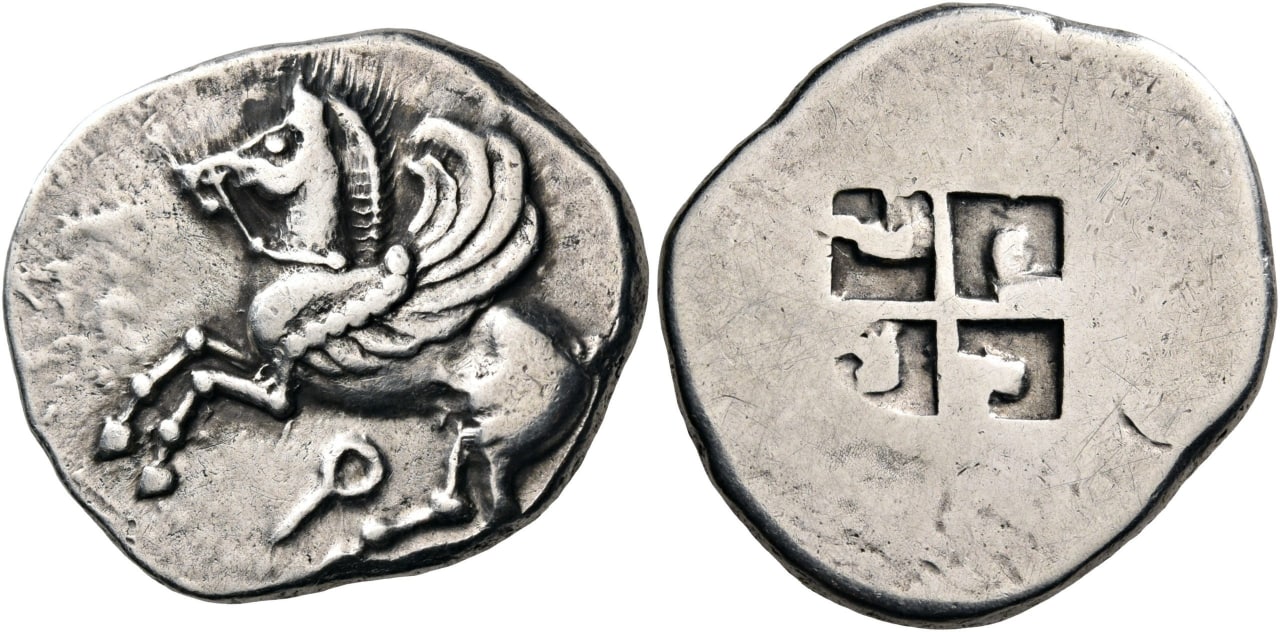
An image of a similar #coin with less aging. #Horse
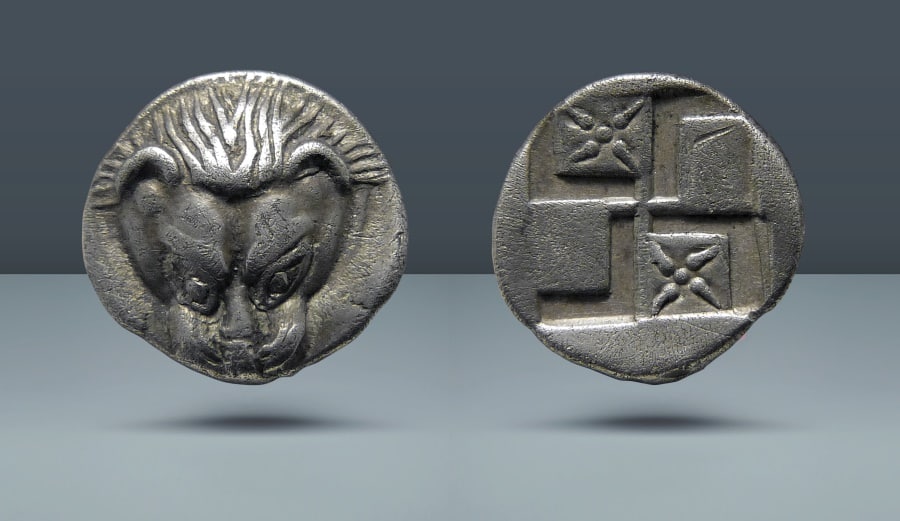
Cimmerian Bosporus, Pantiapaeum. c. 450-438 BC Pantikapaion, modern day Kirch, is located in the #Ukraine and is a Crimean city. At the time when this #coin was struck it was a bustling and vibrant city due to its desirable location on the water. It also served as a passage between Europe and the Eurasian Steppes.
Copper #coin Kuninda dynasty 1st-2nd C. #India