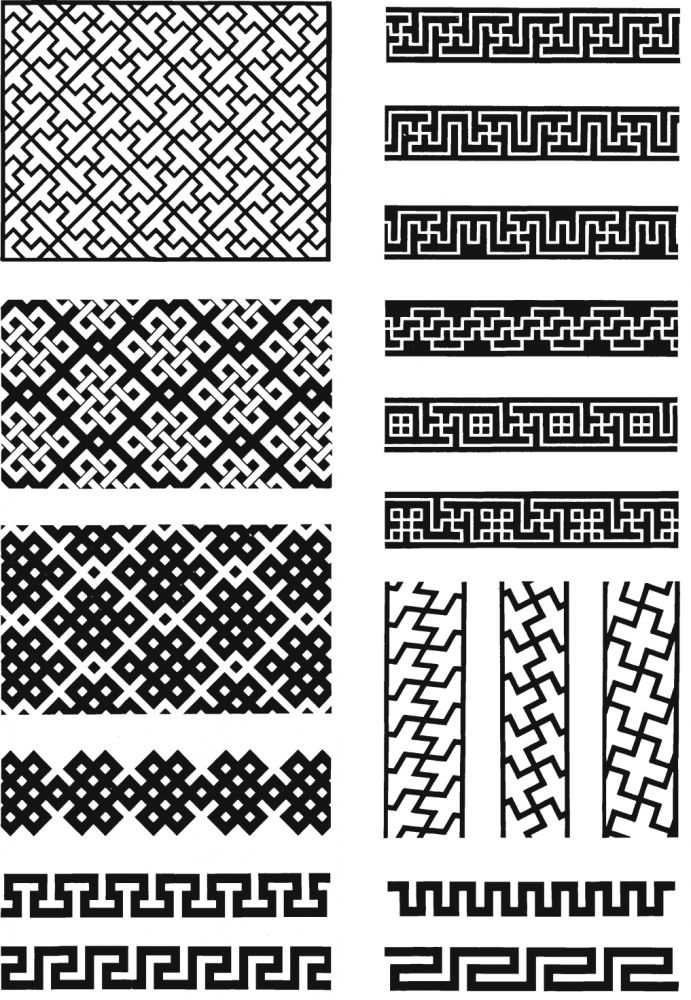
Buryat #patterns The Buryats, a Mongolian people numbering approximately 500,000, comprise one of the two largest indigenous groups in #Siberia, the other being the Yakuts. The majority of the Buryat population lives in their titular homeland, the Republic of Buryatia, a federal subject of #Russia near Lake Baikal. #Mongolia
"...#Ungern-Sternberg would install the Bogdo Khan as ruler of the newly proclaimed Kingdom of #Mongolia in March 1921, exactly 101 years ago. In return, the new king recognized the baron as the founder of the state, as a heroic general, and as the incarnation of the Tibetan patron deity Jamsaran, a particularly wrathful deity. As is well known, the wrath fitted like a glove. The baron made it cle
Meanwhile in Mongolia Source article: One Hundred Years Ago, a German Baron from the Baltics established a Kingdom in #Mongolia – March 1921: Roman von #Ungern-Sternberg
Mad God of War, Baron - Daijin, Invincible White Prince, Protector of the Yellow Faith: 1. He saw in Bolshevism a mortal enemy of culture and civilization. 2. He despised the Russians for betraying their legitimate Tsar Nicholas II and for failing to throw off the communist yoke. 3. At the same time, he singled out and loved Cossacks, peasants and ordinary soldiers among the Russians, and hated th
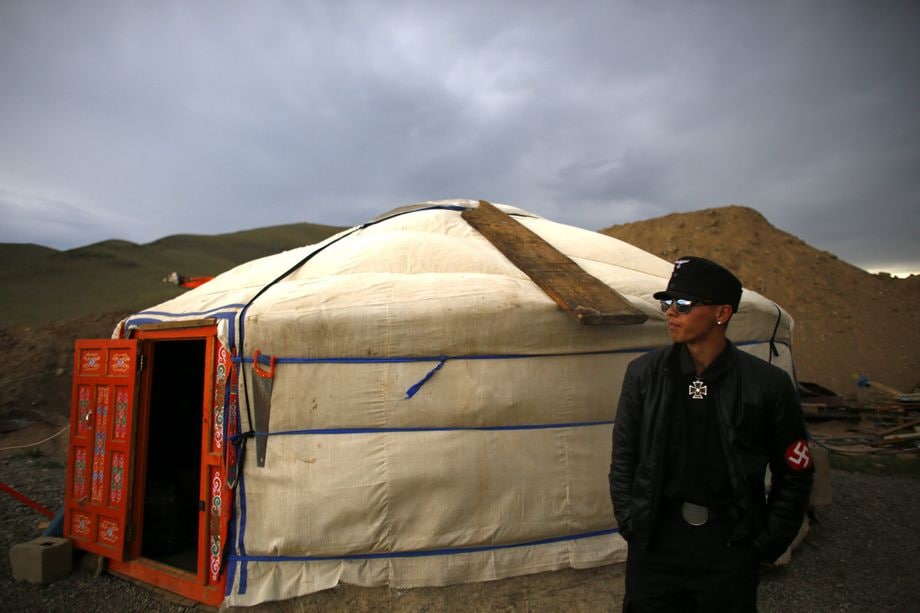
Inessa Lomakina "Dreaming Makhakals of the East": "On the banners of #Genghis (Genghis Khan - V.A.) was inscribed a swastika, a symbol of the Fire-Sun (the ancient people who worshiped the stars, highlighting the Pole Star, surrounded it with the seven stars of the Big Dipper). This is how a sign-symbol appeared, an emblem of perpetual motion, which in the twentieth century will become #occult and
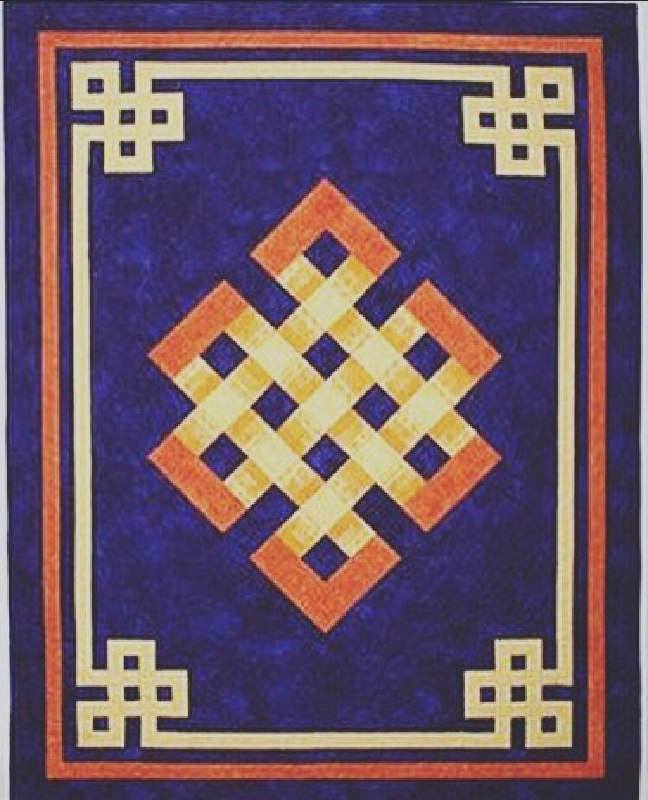
The Ulzii (endless knot) is a symbol used to decorate just about everything in #Mongolia, especially doorways. It represents eternity, eternal love, and happiness. #relatedsymbols